Blog

  • The Trendiest Hairstyles of 2025: Social Media, Self-Expression, and a Few Surprising Comebacks

    The Trendiest Hairstyles of 2025: Social Media, Self-Expression, and a Few Surprising Comebacks

    As we step into 2025, hair isn’t just about style. It’s about self-expression, confidence, and social influence. A new Elithair survey of 1,000 Americans reveals how far people are willing to go in chasing the next big hair trend, and which cuts might be staging a comeback this year.

    Key Findings

    • 25% of Americans change their hairstyle every 1–2 months.
    • Gen Z looks to Instagram, Millennials to YouTube, and Gen X/Boomers to friends and family for hair inspiration.
    • 31% of men are very likely to try a hairstyle trending on social media.
    • 45% of Americans have given themselves a DIY haircut after seeing a trending look online.
    • 33% of men admit to canceling plans over a bad hair day.
    • 61% of Americans have changed their hairstyle to feel more confident while dating.
    • 37% of high earners ($150k+) say “The Rachel” from Friends should make a comeback.
    • 23% of men say the Mohawk deserves a return.
    • 25% of Gen Z would try a bold new hairstyle if it went viral on TikTok.

    Trends According to Pinterest

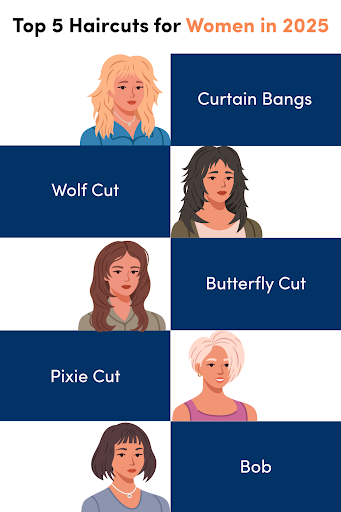
    Top 5 Haircuts for Women in 2025

    The most popular haircuts of 2025 for women.
    1. Curtain Bangs
      Framing the face while adding instant movement, curtain bangs are dominating Pinterest searches and Instagram feeds. They’re the most requested style of the year, thanks to their versatility across ages and hair textures.
    2. Wolf Cut
      Part shag, part mullet, the wolf cut is Gen Z’s playground cut: messy, rebellious, and tailor-made for TikTok transformation videos.
    3. Butterfly Cut
      With long, voluminous layers that give the illusion of shorter hair without losing length, the butterfly cut is trending as a low-commitment way to experiment with bold change.
    4. Pixie Cut
      The classic crop is back in rotation, signaling confidence and individuality. Pinterest searches show a rise in ultra-short looks, proof that 2025 is embracing both ends of the length spectrum.
    5. Bob
      From blunt to textured, the bob continues to hold its place as a timeless staple. Its consistent Pinterest popularity suggests women see it as the safe but stylish go-to for a seasonal refresh.

    Top 5 Haircuts for Men in 2025
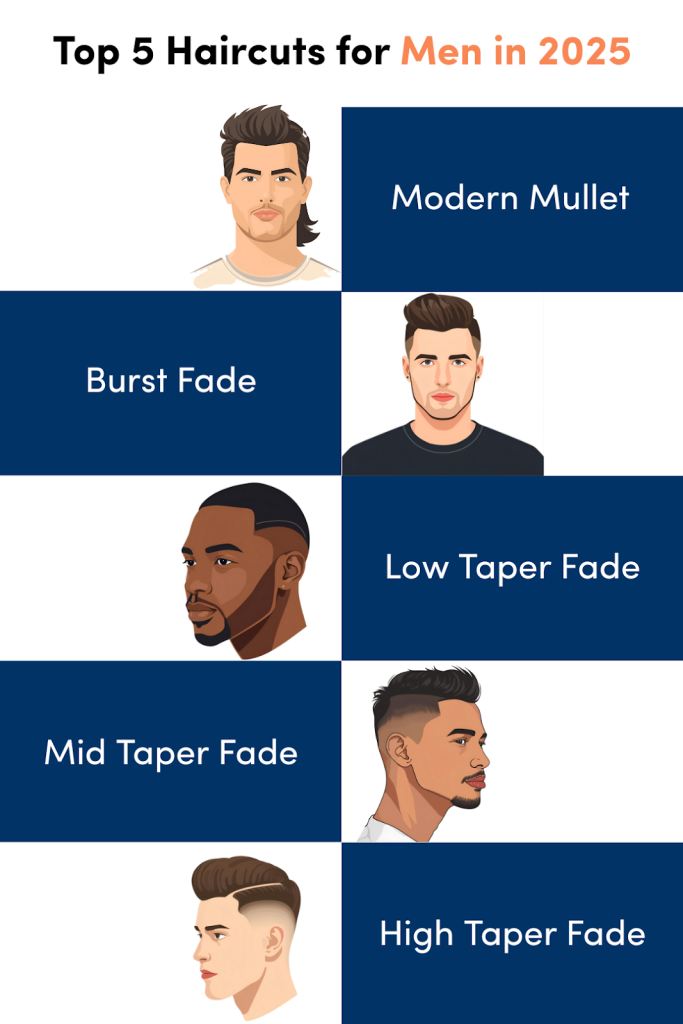
    The top 5 men's haircuts in 2025.
    1. Modern Mullet
      Leading Pinterest searches for men’s hairstyles, the modern mullet shows that nostalgia is in, but with a polished twist. Less “Billy Ray Cyrus,” more “red carpet ready.”
    2. Burst Fade
      This high-impact cut features dramatic fades behind the ears, giving a rounded finish that’s gaining traction among younger men online.
    3. Low Taper Fade
      Clean, subtle, and versatile, the low taper fade is proving popular with men who want an easy-to-style cut that works in both casual and professional settings.
    4. Mid Taper Fade
      Balancing subtlety and sharpness, the mid taper fade is one of the fastest-rising searches on Pinterest, appealing to men who want definition without going too extreme.
    5. High Taper Fade
      For those who like bold contrast, the high taper fade remains a statement cut. Its rise in trending searches suggests men are leaning into sharper, more confident looks.

    One in Four Americans Switches Hairstyles Every Two Months

    Americans aren’t sticking with the same look for long. A quarter say they change their hairstyle every 1–2 months, while the largest group (31%) refreshes their cut every 3–6 months, treating it like a seasonal reset. 

    This pace reflects just how strongly hair trends influence daily life, especially with platforms like Instagram and TikTok driving constant inspiration. 

    Men in particular are quick to experiment: 31% say they’d try a trending style from social media. Hair, in 2025, is anything but static.

    Social Media Is Now America’s Top Hairstylist
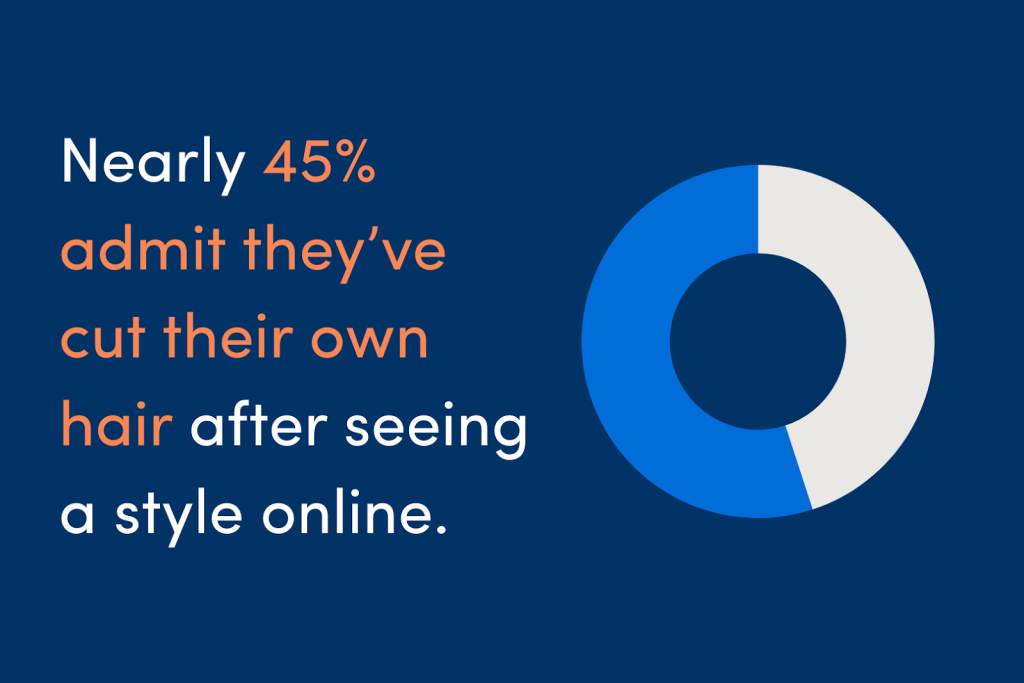
    A graphic declaring that nearly 45% of Americans admit they cut their own hair after seeing a style online.

    Social platforms have become the new salon waiting room. From Instagram grids to TikTok transformations, trends are spreading faster than ever, shaping how Americans view and style their hair. 

    Nearly 45% admit they’ve cut their own hair after seeing a style online, a figure that shows the direct power of scrolling inspiration. 

    Gen Z leads the way, citing Instagram as their main source of ideas, while Millennials turn to YouTube tutorials. 

    Older generations still lean on friends and family, but the data is clear: social media isn’t just influencing fashion, it’s redefining the way we approach hair altogether.

    Bad Hair Days Are Cancelling Nights Out
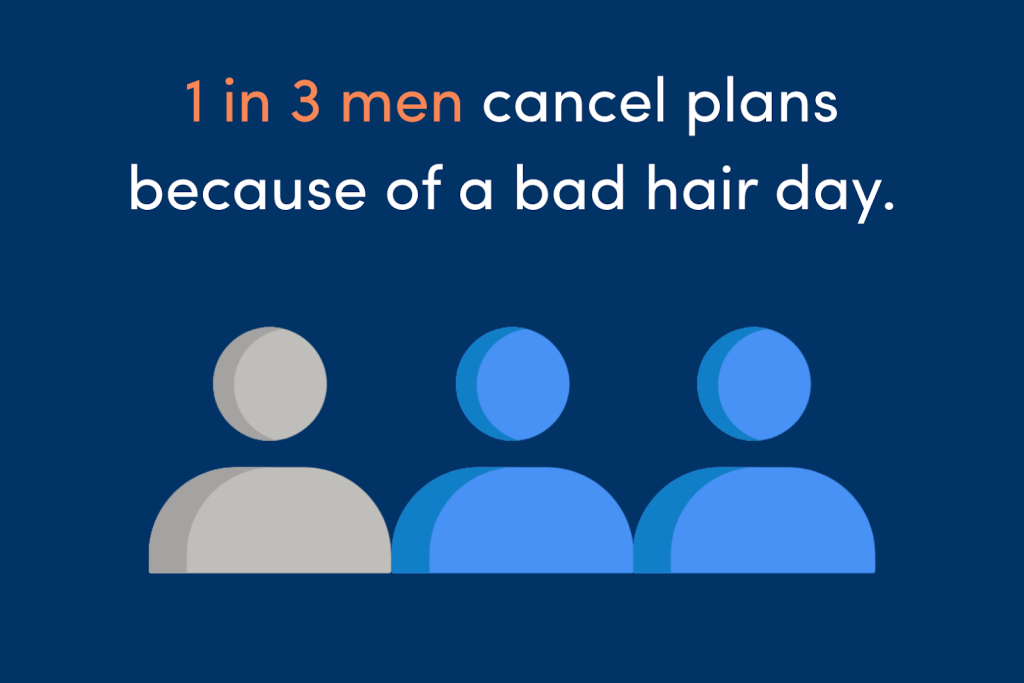
    A graphic stating that 1 in 3 men cancel plans because of a bad hair day.

    Hair carries real weight in daily life. For many, it is a measure of confidence. 

    Our survey found that 40% of Gen Z view their hair as their ultimate confidence tool, and more than six in ten Americans have changed their hairstyle to feel more secure in their dating lives. 

    Men are not immune to the pressure, with one in three admitting to canceling plans because of a bad hair day. 

    These findings show how personal hair has become, capable of influencing not only how we present ourselves but whether we go out at all.

    The Rachel and the Mohawk Could Be Back in 2025
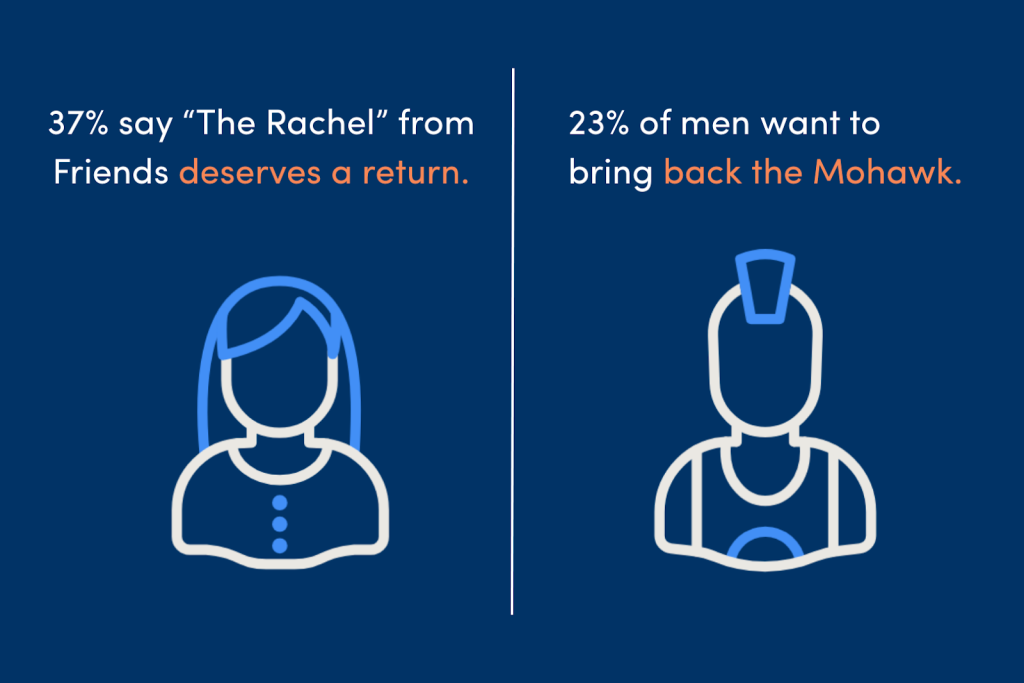
    A graphic stating that 37% of women surveyed said The Rachel should make a comeback, while 23% of men wanted The Mohawk to make a comeback.

    Not every hairstyle is new. Some familiar favorites are staging a comeback. 

    Among high earners, 37% say “The Rachel” from Friends deserves a return, showing that nostalgia influences hairstyle choices as much as new trends. 

    Meanwhile, 23% of men want to bring back the Mohawk, a cut that signals individuality and confidence. 

    These throwback styles suggest that 2025 may be a year of contrasts, with sleek modern looks paired with unapologetic nods to the past. With both icons gaining support, Americans seem as eager to revisit the classics as they are to embrace fresh trends.

    Gen Z Is Driving the Boldest Hair Experiments Yet

    When it comes to experimentation, Gen Z leads the way. A quarter of this generation says a viral TikTok trend would be enough to send them straight to the stylist’s chair. Their willingness to try daring looks explains the popularity of cuts like the wolf cut and butterfly cut, which thrive in short-form video culture. 

    Millennials and older groups often rely on more traditional sources of inspiration, but Gen Z’s appetite for change is pushing hairstyling into more adventurous territory. In a year when Americans are already switching styles frequently, Gen Z is setting the pace for fearless change.

    Summary

    The pace of change reflects the central role hair plays in everyday life, both as a reflection of personal identity and as a source of social confidence. Whether through seasonal restyles, DIY trends, or the revival of nostalgic classics, 2025’s hair landscape is more vibrant and influential than ever, shaped by digital trends, rapid experimentation, and a willingness to let hair lead the conversation about personal image and self-assurance.

    Methodology

    To understand how Americans approach hairstyle trends and personal hair choices, we surveyed 1,000 adults across the country (500 men and 500 women for equal representation). Participants answered a series of questions about how often they change their hairstyle, the platforms that most influence their look, their attitudes toward trending cuts, and how hair impacts their confidence, relationships, and lifestyle. Responses were analyzed by gender, age group, and other demographic factors to identify trends and disparities.

    In addition to survey responses, we analyzed Pinterest Trends data to identify the hairstyles gaining the most cultural traction in 2025. We created a meta ranking for overall, men’s, and women’s hairstyle trends, weighted 50% by total search volume and 50% by year-over-year growth. This allowed us to capture both current popularity and rising momentum, giving a full picture of the styles shaping the year ahead.

    About Elithair

    Elithair is the world’s leading hair transplant clinic, helping more than 150,000 patients restore their hair and confidence. Founded by Dr. Balwi, a pioneer in modern restoration methods, Elithair offers procedures such as FUE and DHI designed to deliver natural and lasting results. All-inclusive packages cover everything from consultations and procedures to post-care support, combining world-class expertise with affordability. With state-of-the-art facilities in Istanbul, Elithair continues to set the standard for accessible, high-quality hair restoration.

    Fair Use

    Users are welcome to utilize the insights and findings from this study for noncommercial purposes, such as academic research, educational presentations, and personal reference. When referencing or citing this article, please ensure proper attribution to maintain the integrity of the research. Direct linking to this article is permissible, and access to the original source of information is encouraged.

    For commercial use or publication purposes, including but not limited to media outlets, websites, and promotional materials, please contact the authors for permission and licensing details. We appreciate your respect for intellectual property rights and adherence to ethical citation practices. Thank you for your interest in our research.
  • A Comprehensive Guide to Hair Graft Extraction and Implantation Techniques

    A Comprehensive Guide to Hair Graft Extraction and Implantation Techniques

    According to a paper from Chin H. Ho, Tanuj Sood, and Patrick M. Zito, hair loss affects millions of people in the United States. For men, androgenetic alopecia can affect 50% by the age of 50, and for many, this can lead to a loss of self-esteem. If you are looking for a lasting solution, modern hair transplant methods offer a way to restore natural-looking hair with incredible success. The outcome, however, depends not just on the surgeon’s skill but on the precise techniques used to extract, preserve, and implant the hair grafts.

    In this article, we will explore the various hair transplant methods available so you can make a better choice for yourself. 

    Hair Grafts Explained: Single vs. Multiple Grafts and Why They Matter

    A follicular unit graft is the basic building block for hair transplantation techniques. Each graft is a naturally occurring bundle of one to four hairs that is surrounded by sebaceous glands, connective tissue, and a small piece of skin.

    • Single hair grafts: Used to create a soft, natural-looking hairline
    • Double or triple hair grafts: Used to build density and fullness in the mid-scalp or crown

    Preserving the integrity of these units during extraction and implantation is critical. If damaged, hair follicles have poor survival rates, leading to disappointing growth after surgery.

    Understanding the Core Graft Extraction Techniques

    There are two different extraction techniques you need to know. They are:

    A. Follicular Unit Transplantation (FUT)

    Also known as the “strip method,” the FUT procedure involves surgically removing a strip of scalp from the donor area (typically the back of the head). This strip is then meticulously dissected under a stereo-microscope into thousands of individual grafts.

    Advantages:

    • High graft yield in one session
    • Efficient for patients requiring large numbers of grafts

    Disadvantages:

    • Leaves a linear scar at the donor site
    • Longer recovery time compared to newer techniques

    FUT (strip) is less commonly chosen by some clinics because it leaves a linear scar, but it still has valid indications. FUT can be efficient when very high graft counts are needed in a single session and may provide higher initial graft yield in experienced hands. The choice between FUT and FUE should be individualized based on patient goals, donor characteristics, scalp laxity, and scarring preferences.

    B. Follicular Unit Extraction (FUE)

    This is a minimally invasive method where individual follicular units are extracted directly from the donor area using a small, circular punch tool. 

    Types of FUE tools:

    • Manual punches: Surgeon-controlled, precise but slow
    • Motorized punches: Faster, require careful skill to avoid transection
    • Robotic systems (e.g., ARTAS): Assist with accuracy and speed

    Variants of FUE:

    • Sapphire FUE: Uses sapphire blades for finer, cleaner incisions
    • Micro/Ultra-refined FUE: Employs very small punches for reduced scarring and faster healing

    Pros:

    • No linear scar, only tiny dot-like marks
    • Faster recovery compared to FUT

    Cons:

    • More time-consuming for large sessions
    • Requires a highly skilled surgeon to minimize graft damage

    DHI vs FUE – Common Misconceptions

    Direct Hair Implantation (DHI) (Choi Implanter) is an implantation variant of FUE that allows the surgeon to insert grafts without creating all recipient sites in advance. Potential practical advantages described by surgeons include reduced handling of grafts and finer control of direction/angle/depth during placement.

    However, randomized controlled data showing consistent, clinically meaningful improvement in long-term graft survival compared with standard slit/forceps implantation are limited. Most sources classify DHI as an implantation preference rather than an established superiority in survival.

    Choice of implantation technique is often driven by surgeon experience, session size, and recipient area requirements rather than definitive evidence of higher survival with DHI.

    Protecting Your Investment: The Science of Graft Preservation and Handling

    Even the best extraction method can fail without proper graft preservation. Once outside the body, follicles are vulnerable. Clinics use advanced protocols to protect them:

    • Storage solutions like saline, HypoThermosol, or ATP-based solutions keep grafts hydrated and viable
    • Chilled environments slow metabolic activity, prolonging survival

    Proper hydration and temperature control are crucial to a successful hair transplant that results in strong, natural results rather than poor growth. 

    Artistry and Precision: A Look at Modern Hair Graft Implantation Techniques

    A patient receiving a DHI hair transplant.

    There are three kinds of techniques to be aware of:

    A. Slit Implantation

    A traditional and widely used method where a surgeon first creates tiny incisions (slits) in the recipient area with a blade or needle. Grafts are then carefully placed into these pre-made slits using forceps.

    B. DHI (Choi Implanter Pen)

    As described above, this advanced technique uses the implanter pen to create the incision and place the graft in a single motion. This ensures minimal handling of the graft and less trauma to the scalp, increasing survival rates.

    C. Stick-and-Place Technique

    Here, the surgeon makes one incision and immediately places the graft with forceps before moving to the next. While time-consuming, it’s extremely useful for small touch-ups or transplanting into challenging areas like scar tissue.

    Your Personalized Plan: How to Choose the Right Hair Transplant Technique

    Selecting the best approach depends on multiple factors:

    • Hair loss pattern: Extensive baldness may favor FUT, while moderate loss may be ideal for FUE or DHI
    • Donor hair availability: Limited donor supply requires careful extraction and high survival rates
    • Patient preferences: Some may prioritize minimal scarring; others may want the most grafts in a single session

    Ultimately, the decision should be made after consultation with a board-certified hair transplant surgeon who can assess individual needs and recommend the most suitable method.

    Hair Graft Techniques: Hair Loss Solutions To Fit Your Situation

    There is no one-size-fits-all solution in hair graft extraction and implantation. The best outcomes are achieved when an experienced hair transplant surgeon matches the right technique to the right patient. As technology advances, innovations in robotics, graft preservation, and implantation precision will only continue to enhance success rates.

    At Elithair, the world’s largest hair loss clinic, we have performed over 150,000 successful hair restorations, delivering life-changing results in just 6-12 months. We believe patient education is the key to making a confident decision.Contact us for a free hair analysis today, and let our experts help you choose the best path forward for your hair.

  • Examining the Connection Between Celiac Disease and Hair Loss

    Examining the Connection Between Celiac Disease and Hair Loss

    Celiac disease is an autoimmune condition where the body reacts to gluten — proteins found in certain grains like wheat, barley, and rye — by damaging the small intestine. That damage interferes with how the body takes in nutrients, which can lead to a wide range of symptoms. 

    But not all of them are digestive. In some cases, celiac disease may contribute to hair loss, especially when it leads to malabsorption and nutritional deficiencies or occurs alongside other autoimmune conditions such as alopecia areata. It isn’t clear exactly how many individuals with celiac disease also experience hair loss, but some research indicates that the two are correlated.

    It’s thought that hair thinning and shedding in people with celiac disease often results from a combination of poor nutrient absorption and chronic inflammation. If the digestive system isn’t working as it should, essential vitamins and minerals don’t reach the places they’re needed. Meanwhile, inflammation may stunt hair recovery even further by throwing off the rhythm of the hair growth cycle.

    How Celiac Disease Can Contribute to Hair Loss

    When celiac disease damages the intestinal lining, the body’s ability to absorb nutrients takes a hit. Iron, zinc, biotin, and other hair-supporting nutrients can drop below healthy levels. That can lead to dry, brittle strands or increased shedding that’s hard to ignore.

    Celiac disease is also associated with alopecia areata, an autoimmune condition that leads to hair loss, but it is not a direct cause. The connection likely stems from underlying immune system factors shared by both conditions. This kind of immune response can show up as patchy hair loss.

    Losing hair without knowing why can be overwhelming, particularly for women who often see their hair as tied to identity and confidence. That emotional stress can grow into something more complex, like hairline dysphoria — a condition where visible hair changes impact mental well-being in a big way.

    Types of Hair Loss Associated With Celiac Disease

    Several kinds of hair loss have been linked to unmanaged or undiagnosed celiac disease. The reasons vary, but often boil down to the body being undernourished or overstimulated by immune activity. When this goes on too long, hair starts reacting; sometimes subtly, sometimes dramatically. These changes can happen quickly or show up more slowly over time:

    • Telogen effluvium: This condition often follows stress on the body. It shifts hair out of the growth phase too early, causing widespread thinning. In people with celiac disease, low nutrient levels are often the main trigger.
    • Alopecia areata: A more dramatic form of hair loss where the immune system targets hair follicles. Bald patches may show up suddenly and can expand or shift over time.
    • Diffuse thinning: This is a general decrease in hair volume across the scalp. It may not result in bald spots, but it leads to a noticeable reduction in fullness.

    These types of hair loss may even begin before digestive issues appear, making them an early clue for identifying celiac disease that’s often missed.

    Signs Your Hair Loss May Be Related to Celiac Disease

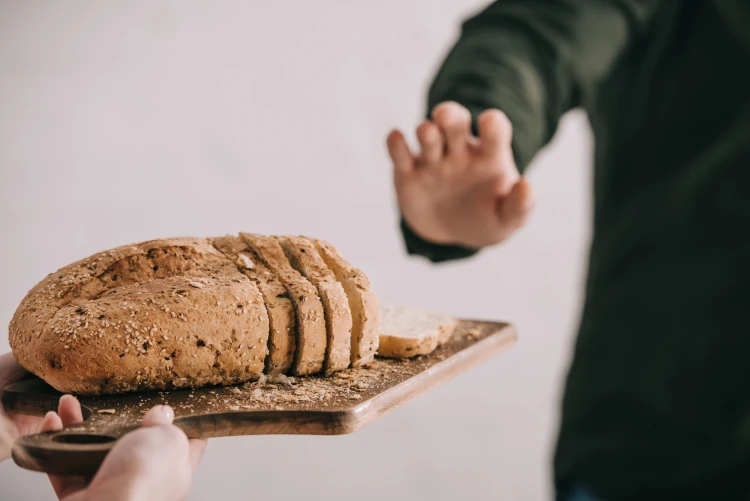
    A person holding their hand up to reject the offer of a slice of bread.

    Hair shedding or thinning can have many causes. But if those changes happen alongside other symptoms, they could point to an underlying issue like celiac disease. Many people assume their hair loss is just aging or stress, not realizing that what’s going on in their gut might be playing a role.

    Here are a few common red flags:

    • Excessive shedding: More hair on your pillow or in the drain than usual might be more than just a seasonal shift.
    • Brittle or weak hair: When your strands feel dry, thin, or break easily, it may reflect a lack of essential nutrients.
    • Digestive discomfort: Bloating, gas, or irregular bowel movements — these gut signals could be part of the same puzzle.

    When these symptoms add up, it’s worth having a conversation with a healthcare provider. Celiac testing often begins with a blood test and, if needed, a biopsy. Even in the absence of full-blown celiac, gluten sensitivity might still be causing trouble and be worth addressing.

    How To Maintain Healthy Hair While Living With Celiac Disease

    Avoiding gluten is often the first step to managing celiac disease and its symptoms, but rebuilding your body’s health takes additional care. Supporting hair growth often means restoring low nutrient levels through a combination of diet and gluten-free supplements that include iron, biotin, and other essential vitamins and minerals. Focus on a balanced, whole-food diet filled with leafy greens, lean meats, healthy fats, and fortified gluten-free grains — such as quinoa, amaranth, or gluten-free oats — to reinforce recovery. These will all help your body heal from the inside out and give your hair the nourishment it needs.

    Stress management can’t be overlooked either. High stress levels are known to affect both gut function and the hair cycle. Exercise, meditation, and therapy can help ease the load and support healing.

    When diet and supplementation don’t seem to restore hair growth, additional treatment options are available. These might include cosmetic procedures designed to address more permanent or severe hair loss, especially in cases where autoimmune activity or prolonged deficiency has damaged the follicles beyond repair. Schedule a consultation with a hair professional to walk you through your options.

    Before-and-after photos can help set expectations and provide reassurance that results are possible, particularly if you’ve noticed considerable changes in hair density or hairline shape. The costs for these procedures vary based on the degree of hair loss and the scope of the desired outcome. Initial consultations can provide a better understanding of pricing and whether you’re a suitable candidate.

  • Does Wearing a Hat Cause Hair Loss?

    Does Wearing a Hat Cause Hair Loss?

    You’ve probably heard someone say that wearing a hat too often will make your hair fall out. It’s one of those beliefs that tends to stick around, especially when people start noticing more hair on their brushes than usual. 

    But is it true? Can wearing a hat really lead to permanent hair loss? In short, no, wearing a hat doesn’t cause hair loss for most people. That said, hats might contribute to hair damage and loss in a few specific scenarios.

    What Are the Common Causes of Hair Loss?

    Hair loss happens for a variety of reasons, and most of them have nothing to do with what’s sitting on your head. 

    The most common cause is androgenetic alopecia, often called male or female pattern baldness. This condition is genetic and affects the hair growth cycle, gradually shrinking follicles over time. If you’re noticing thinning or a receding hairline, you may want to look at your family history first. This progression typically follows recognizable patterns, with the hair loss stages providing a helpful framework for understanding what might be happening to your scalp over time.

    Beyond genetics, stress is another major trigger. Physical or emotional stress can shock your system, prematurely pushing hair into the shedding phase. Additionally, poor nutrition — especially diets lacking in protein, iron, or key vitamins — can also impact your scalp. Hormonal imbalances due to thyroid disorders, pregnancy, or menopause are well-known culprits, too.

    It’s worth noting that some hair loss is completely normal. You lose hair every day as part of your body’s natural renewal process. On average, people shed between 50 to 100 hairs a day, and that’s considered healthy. If you’re seeing noticeably more, it might be time to pay closer attention. Knowing the typical range of hair shedding can give you a clearer picture of whether what you’re experiencing is normal or worth investigating further.

    Do Hats Cause Hair Loss? What Science Says

    Let’s clear up the myth once and for all: there is no scientific evidence that wearing hats directly causes permanent hair loss. However, it could affect your scalp health. Your hair follicles sit deep below the surface of the scalp, and wearing a cap doesn’t apply enough pressure to disrupt their activity.

    However, there is one rare condition worth noting: traction alopecia. This happens when there is repeated tension or pulling on the hair. If you’re wearing an extremely tight hat day after day, especially if it pulls your hair back forcefully, you could put yourself at risk. But for most people, this isn’t a concern. Things like loose-fitting baseball caps, beanies, or wide-brimmed sun hats aren’t going to cause any real damage.

    Will Wearing a Hat Cause Hair Loss Over Time?

    You might notice your hair looks flat or bent after wearing a hat all day. That’s cosmetic and temporary; it doesn’t mean your follicles are damaged. Hair shafts may break from repeated friction, but breakage isn’t the same as hair loss from the root.

    Unless a hat is incredibly tight or constantly rubbing one area of your scalp to the point of irritation, it’s unlikely to cause any significant long-term damage.

    In fact, some people wear hats to protect their hair and scalp from environmental factors like sun damage and pollution. When worn appropriately, a hat can support hair health by shielding it from these kinds of external stressors.

    How To Wear Hats Without Risking Hair Damage

    A man in a trucker hat standing near a mountain lake.

    If hats are a staple in your wardrobe, you can take a few precautions to protect your hair and scalp:

    • Choose breathable fabrics like cotton or wool to prevent sweat buildup. Hats that trap excess heat and moisture may create an environment that worsens scalp conditions like seborrheic dermatitis or fungal overgrowth.
    • Avoid overly tight hats that leave marks on your forehead or tug on your hair. A snug fit is fine, but don’t force it.
    • Wash your hats regularly. Dirty hats can harbor oil, bacteria, and dead skin cells, which can contribute to scalp irritation.
    • Alternate styles and give your head a break from time to time. This is especially helpful if you wear hats for work or sports.

    Ultimately, keeping your scalp healthy plays a key role in overall hair wellness. A clean, irritation-free environment lets follicles function normally, reducing the risk of unnecessary shedding.

    What To Do If You’re Experiencing Hair Loss

    If you’ve started to notice thinning areas or increased shedding, and it doesn’t seem tied to recent changes in diet or stress, it may be time to talk to a professional. Persistent or worsening hair loss can be a symptom of an underlying issue.

    There are various treatment options available to deal with pattern baldness or significant hair thinning. In cases of permanent forms of hair loss, such as androgenetic alopecia or scarring alopecia, more advanced solutions like hair transplantation may be considered (though this would not be suitable for temporary shedding like telogen effluvium). Reputable hair loss clinics specialize in medically supervised treatments, offering both surgical and non-surgical approaches tailored to your condition.

    To get a sense of what’s possible, browse hair transplant before-and-after photos. These visuals can give you realistic expectations and inspire your own path forward. And if you’re wondering whether treatment is affordable, it’s helpful to review the cost of a hair transplant so you can make an informed decision based on your budget.

    In the end, your hair health isn’t likely to hinge on whether you wear hats. Consistency in self-care, recognizing early signs of change, and staying proactive about your well-being all contribute to stronger, healthier hair over time. Focus on what truly matters: nutrition, stress levels, hygiene, and medical factors. If you’re still concerned, it never hurts to check in with a hair specialist who can guide you toward a healthy scalp and peace of mind.

  • Does Dandruff Cause Hair Loss?

    Does Dandruff Cause Hair Loss?

    Dandruff and hair loss often show up hand in hand, prompting plenty of questions and some understandable worry. But does one cause the other, or are they just awkward roommates on your scalp?

    Let’s get into what really connects dandruff and hair loss, when to be concerned, and what you can do about it if your scalp seems to be staging a rebellion.

    Can Dandruff Lead to Hair Loss Over Time?

    To understand whether dandruff can lead to hair loss, it helps to know how your hair growth cycle works. Hair naturally grows in phases: anagen (growth), catagen (transition), and telogen (rest). At any given moment, you have strands in all these phases, which is why a little shedding each day is completely normal.

    Though occasional flaking won’t throw off this cycle, persistent dandruff can. Especially if it’s linked to conditions like seborrheic dermatitis or fungal infections, dandruff may inflame your scalp. That inflammation can irritate hair follicles and, over time, disrupt the normal growth cycle, potentially leading to thinning.

    It’s not just the dandruff on its own, though. Scalp issues often mix with other triggers like stress, hormonal shifts, or genetics. For instance, if you’re navigating menopause or undergoing hormone therapy, imbalances could amplify changes in your hair. That’s why it’s so important to look at the bigger picture when diagnosing the root of the problem.

    In some cases, repeated scratching from an itchy scalp can also contribute to breakage or mechanical damage. You may not notice it at first, but over time, aggressive brushing or friction can thin out hair near the front or crown.

    It’s a reminder that how you treat your scalp physically matters just as much as the products you use. And though dandruff isn’t always the main culprit, it can tip the scales when combined with other factors already affecting hair health.

    How Much Hair Loss Is Normal and When to Worry

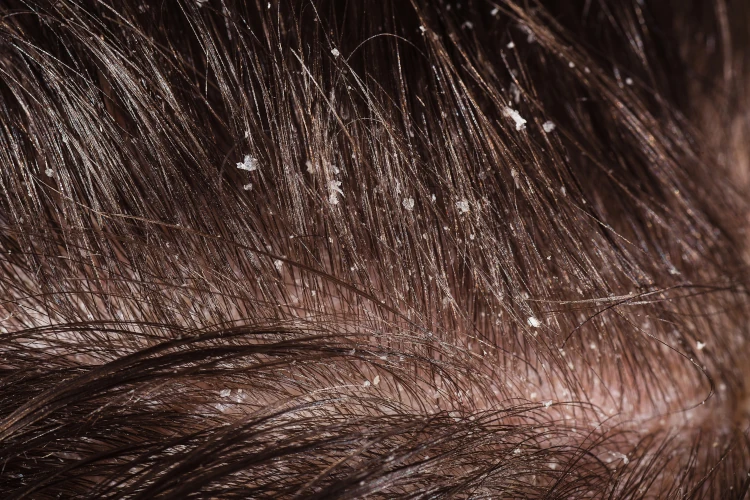
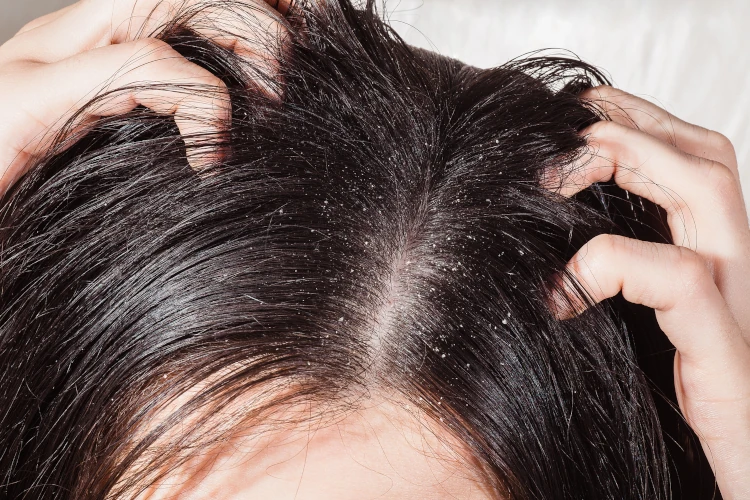
    A close-up of a woman’s scalp with dandruff.

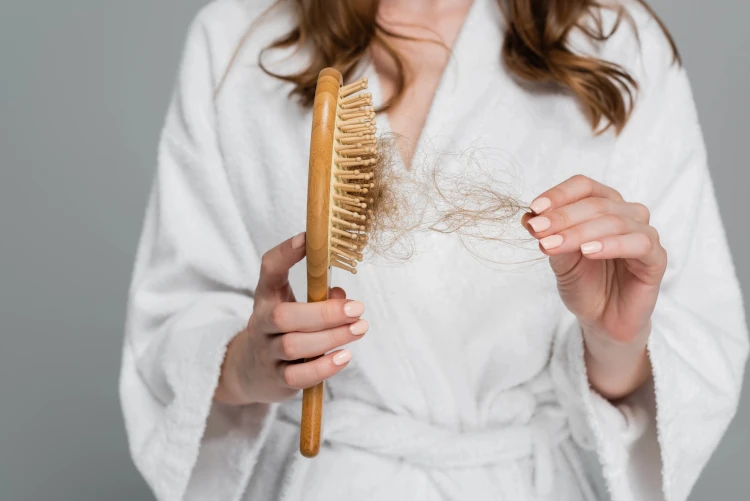
    It’s easy to panic when you see a clump of hair in the shower drain or on your brush. But here’s the thing: losing around 50 to 100 hair strands a day falls within the healthy range for most adults. However, if your shedding remains steady and you’re not noticing thinner patches or wider parts, dandruff likely isn’t the main cause.

    That said, it’s important to pay attention to your body. Sudden shedding spikes or visible thinning, especially around the temples, crown, or part, deserve attention. That’s the time to bring in a dermatologist or trichologist to rule out underlying issues.

    Treating Dandruff To Protect Your Hair

    If you’re dealing with flaking, itching, and some extra shedding, don’t wait. Dealing with dandruff early is your best bet to keep your hair and scalp healthy. Start with over-the-counter shampoos that contain active ingredients like ketoconazole, selenium sulfide, salicylic acid, or zinc pyrithione. Rotate between a couple if you don’t see immediate results, but don’t abandon ship too quickly. Most treatments take some time to show improvement.

    Along with shampoo, consider using a lightweight scalp oil or serum that hydrates without clogging follicles. Keeping your scalp clean and balanced goes a long way toward breaking the inflammation cycle. Even a good hair care routine that avoids harsh heat, sulfates, or alcohol-heavy products can make a noticeable difference.

    Ultimately, addressing the root causes of hair loss protects your hair from unnecessary fallout. If patchy thinning persists despite managing dandruff, a specialist can assess whether the condition is non-scarring or scarring in nature and determine if transplantation is appropriate.

    What if Hair Doesn’t Grow Back?

    Many people explore hair restoration options, especially if hair density hasn’t improved over six to 12 months. Advances in transplant techniques now make it easier, and more natural-looking, than ever to restore lost volume. You can browse real-life before-and-after transplant photos to see what results actually look like. The differences are striking, especially for those with patchy thinning caused by chronic scalp inflammation.

    Of course, cost plays a role in making that decision. If you’re considering taking that step, you’ll want to weigh hair transplant costs and what’s included, such as consultations, post-op care, and the number of grafts, so there are no surprises. Some clinics also offer flexible payment plans to make the process more accessible.

    Managing Hair Dandruff and Hair Loss Together

    It’s important to remember that dandruff doesn’t cause hair loss directly. But it does make a difficult situation worse when left unchecked. Think of your scalp as soil and your hair as the plants growing out of it. If your scalp is inflamed, flaky, or irritated, it’s difficult for hair to grow properly, and even the strongest strands may not be able to thrive.

    When dandruff combines with other risk factors, like genetics, age, stress, or hormonal changes, normal shedding can become noticeable hair loss. That’s why it’s smart to treat scalp issues as more than a cosmetic nuisance. You don’t have to figure it out by yourself. If you’ve been trying anti-dandruff treatments for a trial period of four to six weeks with no improvement, talk to a specialist. They can help identify whether it’s seborrheic dermatitis, psoriasis, or something else entirely. And if you’re looking for long-term answers, start with a trusted hair loss clinic offering medical expertise and treatment options.

    Dealing with dandruff and hair loss at the same time can feel overwhelming. The frustration builds when you’ve tried multiple products with little success, and your confidence starts to dip during everyday moments, like combing your hair, getting dressed, or even looking in the mirror. But you’re not powerless. With the proper knowledge and persistence, you can figure out what’s happening, soothe your scalp, and protect your hair.

  • How Many Hairs Do You Lose Per Day on Average?

    How Many Hairs Do You Lose Per Day on Average?

    You probably notice a few strands of hair on your brush or pillow each day, and it’s easy to worry. But losing some hair daily is completely normal. In fact, it’s a natural part of the hair growth cycle and doesn’t automatically mean you’re experiencing hair loss.

    Most people lose about 50 to 100 hairs every day, on average. That number may sound high, but considering the average scalp contains around 100,000 hairs, this small amount doesn’t usually make a noticeable difference.

    In this article, you’ll learn how many hairs you lose per day, what influences that number, how to tell the difference between normal shedding and hair loss, and what steps you can take if you think the shedding is excessive.

    What Affects How Many Pieces of Hair You Lose a Day?

    Several everyday factors can increase or decrease the number of hairs you shed. Stress, both emotional and physical, is one of the most common culprits. When you’re overwhelmed or recovering from an illness, your body may shift more hair into the shedding phase of the growth cycle.

    Hormonal changes also have a major impact. Pregnancy, menopause, and thyroid imbalances can all affect how much hair you lose. In addition, if you struggle with scalp issues like dandruff, this can make things worse.

    Conditions like seborrheic dermatitis often cause inflammation that disrupts healthy follicle function, contributing to shedding. Further, the link between dandruff and hair loss demonstrates how inflammation and irritation can contribute to excess shedding, while also disrupting follicle health.

    Poor nutrition can be another root cause. When your body lacks iron, protein, or certain vitamins, you may notice increased shedding. A known cause for thinning hair is inadequate intake of essential nutrients that support follicle strength.

    Your daily habits also play a role. Using heat tools too frequently or brushing aggressively can lead to breakage and loss. Tight hairstyles, chemical treatments, and even sleeping on rough pillowcases may weaken the strands over time. Even seemingly harmless behaviors, like tying your hair up when wet, can lead to additional tension on the roots, compounding the issue. Environmental factors, such as extreme sun exposure or hard water, may also damage your scalp and contribute to a higher rate of shedding.

    Role of the Hair Growth Cycle in Daily Shedding

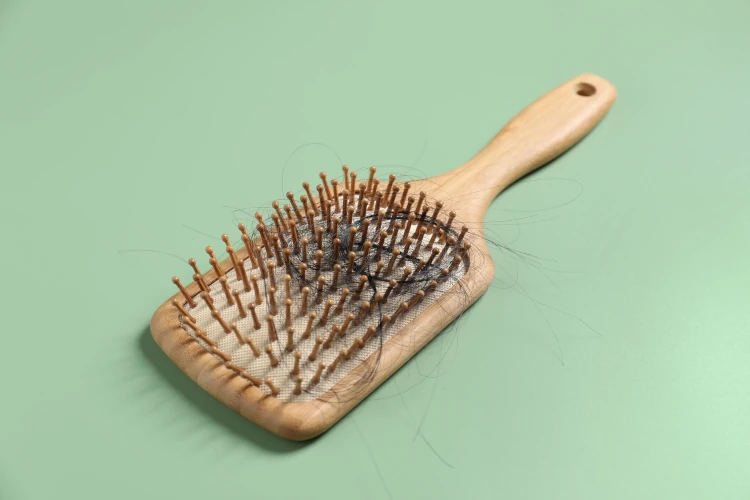
    A paddle brush with hair in the teeth lying on a green table.

    To truly understand why some hair falls out each day, it helps to know how the hair growth cycle works. Hair grows in stages:

    • Anagen phase: This is the active growing phase, which can last 3 to 6 years.
    • Catagen phase: A brief phase where growth slows, lasting about 2 to 3 weeks.
    • Telogen phase: During this phase, hair stops growing and begins to shed. It typically lasts around 2 to 3 months.

    Hair naturally falls out during the telogen phase to make room for new strands. So, if you notice some hair in the drain or on your pillowcase, it could just be the cycle doing its job.

    Hair Loss vs. Natural Shedding

    There’s a clear difference between normal shedding and actual hair loss. Again, most people fall within the average range of 50 to 100 hairs a day. However, what’s normal for one person might not be for another.

    Pay attention to any changes in your hair. If your shedding seems consistent and you’re not noticing any patches or thinning areas, chances are you’re experiencing regular hair turnover. But if the amount increases noticeably or your ponytail feels thinner, it might be time to take a closer look.

    Start tracking your hair habits. Keep an eye on how much hair you see in your brush or shower drain. Small changes are natural, but sustained increases may be worth discussing with a specialist.

    When Is Daily Hair Loss Considered Abnormal?

    A noticeable increase in daily shedding — especially if you’re finding clumps of hair on your pillow, clothing, or in the shower — could be a sign that something more serious is going on. The amount of hair you lose in the shower varies from person to person, but recognizing your personal baseline and comparing it with insights like how much hair is normal to lose in the shower can help you assess whether the shedding is within a healthy range.

    Other visible changes, such as thinning along your part, a more visible scalp, or developing small bald spots, can signal a disruption in your hair’s natural growth cycle. These signs are sometimes tied to underlying health conditions, including alopecia areata, chronic scalp inflammation, or fungal infections.

    If these patterns continue for several weeks, seeking guidance from a dermatologist or trichologist is a smart next step. They can help pinpoint whether the issue is stress-related, hormonal, or tied to a specific medical condition, and recommend a course of action before the problem progresses.

    What To Do if You Think You’re Losing Too Much Hair

    When your hair seems to be falling out faster than usual, there are steps you can take to minimize the damage and support healthy regrowth. Start with your products. Choose gentle, sulfate-free shampoos, which help preserve your scalp’s natural oils and reduce irritation. Incorporate a conditioner that hydrates without weighing your hair down.

    Your diet matters, too. Eating a balanced mix of protein, iron, and vitamins A, D, and E can strengthen your strands from the inside out. Focus on whole foods like leafy greens, eggs, nuts, and lean meats. Cut back on damaging habits like daily heat styling and tight hairstyles. Give your hair time to recover by air-drying more often and using protective styles.

    If no improvement is seen after three to six months of conservative changes, a professional evaluation may be needed, along with possible diagnostic tests, such as ferritin, thyroid, and hormone level checks. Upon evaluation, if you’re still experiencing advanced shedding or you’re dealing with visible thinning, it might be time to consider hair restoration treatments that support regrowth through medically guided approaches.

    Realistic outcomes are visible through before-and-after hair transplant documentation, which reflects the effectiveness of certain procedures when appropriate. Understanding the cost of a hair transplant is also important when considering this option. Prices vary depending on the technique used and the extent of the treatment needed.

    Ultimately, shedding some hair each day is completely normal. What matters most is recognizing when something changes and knowing how to respond in a way that supports your hair’s health in the long run.

  • Understanding the Vegan Diet and Hair Loss

    Understanding the Vegan Diet and Hair Loss

    More people are voicing concerns about hair loss — and even experiencing hairline dysphoria — after switching to a vegan diet, especially those new to plant-based eating. While these experiences can be unsettling, they highlight the growing awareness of how nutrition affects hair health.

    A well-planned vegan diet supports overall wellness and aligns with ethical and environmental goals. Like any eating plan, though, it can fall short if certain nutrients are consistently missed. Even the most health-focused changes can have side effects when key vitamins and minerals are lacking.

    Is Hair Loss More Common on a Vegan Diet?

    Research doesn’t confirm that vegans lose hair more often than people who eat animal products. Still, certain nutrients that support hair growth — like iron, vitamin D, and zinc — can be harder to maintain at optimal levels without animal-based foods. 

    Clinical studies have found that patients with diffuse hair loss often show significantly lower levels of the iron-storing protein ferritin and vitamin D compared to healthy controls. In one study, over 20% of hair loss patients had low ferritin, while nearly 80% were deficient in vitamin D. Meanwhile, zinc levels were statistically similar, although a small number of patients did present with mild deficiency. Similar results were reported in other analyses comparing nutrient levels in individuals with chronic telogen effluvium and female pattern hair loss.

    Though hard data is scarce, there seems to be a connection between going vegan and shifts in hair health, particularly when transitioning to a plant-based diet. Ultimately, these effects are often tied to early nutrient imbalances. Temporary shortfalls in minerals such as zinc can sometimes play a role, particularly when meals aren’t yet nutritionally complete. 

    Hair shedding linked to diet usually happens when gaps persist for a long period of time. But it’s often more than just one thing — genetics, stress, hormones, and health history all matter, too.

    Essential Nutrients for Hair Growth — and Where Vegan Diets May Fall Short

    Hair growth relies on steady access to specific nutrients, including protein, iron, B12, zinc, omega-3s, vitamin D, and biotin. When these nutrients are low, the body may conserve resources for more urgent needs and let hair growth slow down.

    Some of these essentials aren’t as easy to get from plants. Vitamin B12, for example, doesn’t occur naturally in plant-based foods, and humans don’t absorb iron from plants as well as from meat. That’s why food variety, fortified products, and supplements are often part of the vegan routine.

    Let’s take a closer look at each one and how to stay covered.

    Protein: The Building Block of Hair

    Hair is mostly keratin, which is a protein. When your protein intake drops, hair may grow more slowly or shed more easily. It’s possible to get enough protein as a vegan without eating any animal products, but doing so takes some intention.

    Lentils, tofu, tempeh, seitan, chickpeas, and quinoa are all solid choices. If whole foods alone aren’t cutting it, vegan protein powders or fortified snacks can also help.

    Vitamin B12 and Iron Deficiency Risks

    Vitamin B12 supports red blood cell production and helps with cellular repair, which are both key for hair health. Since animal foods are the only natural sources, vegans need to rely on fortified products like nutritional yeast or use a reliable supplement.

    Iron helps carry oxygen to your scalp and follicles. And even though the body doesn’t absorb iron from plants as well as from meat, pairing it with vitamin C-rich foods — like citrus or bell peppers — can improve absorption.

    Omega-3 Fatty Acids and Healthy Scalp Function

    Omega-3s help soothe inflammation and keep the scalp balanced, both of which support strong follicles and hair retention. If these are missing from your diet, your scalp might get dry or irritated over time.

    Chia seeds, flaxseeds, walnuts, hemp seeds, and algae-based supplements are all excellent ways to meet your omega-3 needs without animal products.

    Signs Your Hair Loss May Be Diet-Related

    A man with an apron and cutting board getting ready to prepare some vegetables.

    If you’re seeing more hair on your pillow, in your brush, or clogging the drain, your diet might be one of the causes, especially if it’s been lacking in key nutrients. Diffuse thinning, slower growth, or hair that breaks easily can all be red flags.

    These signs often come on gradually. And because hair takes time to cycle through its growth phases, you may not notice changes right away.

    Tracking your meals or using a nutrient-focused app can help spot missing elements. If the problem sticks around, getting bloodwork can give more insight.

    Supporting Hair Health on a Vegan Diet: Best Practices

    Plant-based eating can absolutely support overall health, including hair health. Variety is important. Mix up your meals, and include nutrient pairings that make absorption easier.

    Hydration, stress management, and whole food choices are just as relevant as supplements. And if your meals lean heavily on processed vegan options, dialing that back can help, too.

    Smart Supplementation Without Overdoing It

    Some common supplements that support vegan hair health include:

    • Vitamin B12 is a must-have for blood function and energy. Without enough B12, cell division and oxygen delivery to the scalp may be compromised.
    • Vitamin D is helpful for immunity and hair follicle health. Deficiencies are common, especially in low-sunlight regions, and may correlate with hair thinning.
    • Iron is useful if a deficiency is confirmed. Low iron stores are one of the more frequent causes of shedding in vegan individuals.
    • Omega-3s come in algae-based versions, which can work well for vegans. These support scalp hydration and can reduce inflammation around hair follicles.

    Supplementing wisely makes a difference, but more isn’t always better. Check with a healthcare provider before starting high doses, especially if you’re unsure whether you need them. Some trending remedies, like aspirin for hair growth, have also made headlines, but the science behind them is still under review.

    Whole Foods That Support Hair Health Naturally

    Certain whole foods are especially good for supporting healthy hair, and adding them to your weekly routine can be simple and effective:

    • Pumpkin seeds are packed with zinc for scalp support. Zinc plays a role in hair tissue repair and helps maintain the oil glands around hair follicles.
    • Avocados are rich in vitamin E, which helps with blood flow. Good circulation brings more nutrients to the hair roots.
    • Sweet potatoes are loaded with beta-carotene, which becomes vitamin A. This supports cell turnover and helps keep the scalp healthy.

    Embracing seasonal produce is one easy way to keep meals varied and nutrient-rich. A rotating selection of colorful, whole plant foods adds both flavor and function to your hair care efforts.

    When To See a Professional About Hair Loss

    If you’ve made dietary changes but aren’t seeing a difference in your hair, it might be time to get input from a dermatologist or trichologist. They can check for health conditions that affect hair growth. Additionally, hair loss that comes on suddenly or becomes extreme should never be brushed off. Early attention often leads to better outcomes.

    Medical therapies like platelet-rich plasma (PRP) or prescription treatments may be an option. In cases of permanent hair loss, hair transplant surgery can be explored as a long-term solution, but it’s rarely the first step.

    Most professionals recommend exhausting non-invasive options first — like correcting nutritional deficiencies, managing underlying health conditions, or trying topical treatments — before considering surgery. When used appropriately, though, a hair transplant can restore density and confidence, especially in cases where shedding has become chronic or severe.

    If you’re interested, you should explore the cost of hair transplants and compare before-and-after results to understand what the procedure involves and whether it’s the right fit for you.

  • Everything You Need To Know About Drinking Alcohol After a Hair Transplant

    Everything You Need To Know About Drinking Alcohol After a Hair Transplant

    You’ve made the decision to get a hair surgery, an investment in yourself that comes with a price tag and a promise of renewed confidence. Given the cost of a hair transplant and the effort involved, it’s only natural to want to protect that investment.

    One of the most frequently asked questions during recovery is whether you can drink alcohol. It’s a fair concern. After all, even casual drinking can affect the body’s healing process. In addition, people often ask about smoking, which can negatively impact recovery and regrowth. It’s important to understand that smoking and hair loss could be linked since nicotine may restrict blood flow, making it harder for your body to deliver nutrients to newly transplanted follicles.

    In this article, you’ll learn how alcohol consumption can influence your recovery, what the risks are, and how to enjoy social settings without compromising your hair results. To learn further information and ask individualized questions, you should seek counsel from your doctor or a qualified provider. 

    Can You Drink Alcohol Before a Hair Transplant?

    If you’re planning to have a procedure, surgeons typically advise avoiding alcohol for at least three to seven days before surgery. Alcohol thins the blood and can increase your risk of bleeding during surgery. It also affects your immune system and may reduce your body’s ability to recover efficiently from the trauma of the procedure.

    Doctors often recommend cutting out alcohol entirely for a week beforehand, especially if you’re undergoing a follicular unit extraction (FUE) or another advanced method of hair transplant. It’s also worth noting that alcohol can interfere with medications your surgeon may prescribe pre-surgery, such as antibiotics or mild sedatives, making it worth avoiding before a procedure.

    Can You Drink Alcohol After a Hair Transplant?

    After a transplant procedure, you’ll need to wait before picking up your favorite drink again. Alcohol can affect your healing by dehydrating your body and dilating your blood vessels. Both can lead to complications like swelling, prolonged bleeding, or even a compromised graft.

    Most hair transplant specialists recommend you abstain from alcohol for at least one week after the surgery. However, depending on how your body responds and the specific method used, your doctor might advise a longer recovery period before drinking. Some surgeons may suggest 10-14 days if large graft sessions were performed. 

    How To Drink Safely After a Hair Transplant

    Once you’ve gotten through the first week or two and received the go-ahead from your doctor, moderation becomes the priority. If you decide to drink, be sure to do so responsibly. Limit yourself to one or two drinks, stay hydrated by alternating with water, and avoid drinks that are heavily caffeinated or high in sugar.

    If you notice unusual swelling, headaches, or fatigue after drinking, it may be a sign that your body is still adjusting post-surgery. You should keep open communication with your healthcare provider, particularly if you are uncertain whether your symptoms are alcohol-related.

    How Does Alcohol Affect Hair Health and Growth?

    A man and woman toasting with wine.

    Even if you’re months out from surgery, it’s worth understanding how alcohol impacts hair health long-term. Alcohol can drain your body of essential nutrient stores such as zinc, iron, and B vitamins, all necessary for healthy hair growth. It also contributes to dehydration and liver stress, both of which may indirectly affect your scalp and follicles.

    Emerging research also links liver issues to hair loss. A stressed or poorly functioning liver may disrupt hormonal balance and nutrient absorption. These are two major players in hair health. If you’re drinking regularly or heavily, you may be inadvertently working against your goals for thicker, healthier hair.

    Risks

    Drinking too soon after a hair transplant can lead to several complications. Namely, alcohol slows the body’s healing response, making it more susceptible to bacterial infection. Once an infection sets in, it can be difficult to control, especially on the scalp, where moisture and bacteria can linger.

    Scalp infections are a serious concern. Not only can they delay your recovery, but they can also destroy newly implanted follicles, leading to scarring or graft failure. Prompt medical attention and proper post-op hygiene are critical to preventing complications. 

    Besides the internal effects, drinking can also impair judgment and behavior. This increases the chances of making poor decisions during recovery, such as forgetting to follow cleaning routines or touching your scalp, both of which can introduce bacteria or accidentally dislodge newly implanted grafts.

    Alternatives

    If you’re used to having a drink in social settings, you can still enjoy these moments without putting your results at risk. Consider drinking non-alcoholic alternatives like sparkling water with lime, herbal mocktails, or even alcohol-free beer or wine.

    There is something to be said for the opportunity to reset your habits, too. Many people use the recovery period as a time to cut back on both alcohol and unhealthy lifestyle choices. By shifting your focus to healing, hydration, and nutrition, you’re setting yourself up for a stronger outcome.

    When To Talk to Your Doctor?

    If you’re unsure about when it’s safe to resume drinking, or if you’ve already had a drink and are experiencing unusual symptoms, reach out to your doctor. You should also speak with them if you experience any of the following:

    • Increased scalp swelling;
    • Unexpected bleeding;
    • Signs of infection (redness, heat, pus);
    • Throbbing headaches or fatigue;
    • Delayed healing or tenderness weeks after surgery.

    A good doctor will understand your lifestyle and recovery goals and help you strike a balance between caution and comfort.

    Hair transplants are a personal journey, and recovery looks different for everyone. But one thing remains consistent: the better your aftercare after a hair transplant, the better your results. When proper care is followed, before and after results often show a remarkable transformation in hair density and appearance. Being mindful about alcohol is a simple yet impactful way to ensure that your new follicles are getting the best possible start.

  • A Guide for Sleeping After a Hair Transplant

    A Guide for Sleeping After a Hair Transplant

    Proper post-operative care is a must after a hair transplant, and one of the most overlooked — but important — aspects is how you sleep. Newly transplanted grafts are delicate in the days following a procedure, and unnecessary pressure, friction, or poor hygiene can damage the grafts, slow healing, or even lead to infections. A few thoughtful changes in your sleep routine can make a big difference in terms of comfort and long-term operational success.

    Our Tips for Sleeping Comfortably Following a Hair Transplant

    Sleeping after a hair transplant can be challenging due to swelling, discomfort, and the need to avoid disturbing the grafted area. During the first seven to 10 days, newly transplanted follicles are not yet anchored in the scalp and can be dislodged by friction or direct pressure. Swelling may also shift downward if you lie flat, leading to facial puffiness. It’s important to adopt a sleep position and environment that reduces pressure on the scalp while keeping the recovering area cool and clean.

    Positions

    Sleeping on your back with your head elevated at a 30 to 45 degree angle is often recommended post-transplant. This position can be achieved comfortably using extra pillows or a recliner in the nights following your procedure. Sleeping on your back at this angle helps drain and reduce swelling that can accumulate in the face and prevents grafts from encountering harmful friction with bedding. A travel pillow can also help stabilize your head in this position. 

    Avoid lying flat on your back, stomach, or sides. These sleep positions can increase blood flow to the head and worsen swelling. They also raise the risk of dislodging hair follicles through unintentional movements or rubbing.

    Bedding

    Using clean, soft bedding made of breathable materials, like cotton or bamboo, can improve comfort and hygiene. Place a clean towel or disposable pillow cover over your pillow each night to prevent bacteria transfer. A memory foam pillow or wedge pillow can help you maintain proper elevation and head positioning. Consider using a satin or silk pillowcase to further reduce friction on your scalp.

    Sleep Hygiene

    Practicing good sleep hygiene after a hair transplant is essential for both recovery and overall well-being. Maintain a consistent sleep schedule by going to bed and waking up at the same times each day. Sleep in a clean, quiet, and cool environment without clutter or distractions. Avoid caffeine and heavy meals close to bedtime, as these can disrupt sleep quality. Limiting screen time before bed and engaging in relaxing activities like reading or deep breathing can also improve sleep quality.

    How Good Sleep Can Promote Healthy Recovery

    A man waking up and stretching in bed.

    Sleep plays an instrumental role in healing by promoting cellular repair and reducing inflammation. Getting good rest allows your body to work on properly healing the transplant site while also allowing you to recharge and relax. Chronic sleep disruption may increase cortisol levels, which have been associated with telogen effluvium (temporary hair loss) and hindered healing. Studies confirm that quality sleep helps regulate immune response and tissue regeneration, both necessary for transplant recovery.

    Risks of Improper Approach To Sleep

    Failing to sleep properly after a hair transplant can disrupt grafts, delay healing, and introduce bacteria that lead to infection. Rubbing or applying pressure to the transplant area may cause scabbing, shock loss, or even permanent graft failure, impacting the aesthetic outcome and reducing the value of the procedure. In certain severe cases, a secondary procedure may be necessary. If complications arise, it’s essential to follow your surgeon’s advice and care instructions closely to minimize lasting damage and optimize recovery.

    When To Talk to a Doctor

    You should speak with your doctor if you’re experiencing persistent discomfort that interferes with your sleep, ongoing swelling beyond a few days, or signs of infection such as redness, heat, or discharge. Concerns about shock loss — when existing or native hair near the transplant site falls out  — or sudden changes in the appearance of the transplant site should also prompt a follow-up. Your provider can assess your recovery and recommend additional care if needed.

  • Gut Health, Probiotics, and Hair Growth

    Gut Health, Probiotics, and Hair Growth

    You may not immediately connect your gut to your hair, but there’s a surprising link between the two. Probiotics are live microorganisms that nurture a healthy digestive system by helping to break down food, improve nutrient absorption, and maintain a balanced microbiome.

    While probiotics are known to support gut health, emerging research suggests that a healthy microbiome may indirectly influence hair follicle health by improving nutrient uptake and reducing systemic inflammation.

    The Gut-Hair Connection: How Probiotics May Boost Hair Growth

    The connection between gut health and hair is a growing area of scientific interest. Researchers are beginning to understand how gut bacteria may influence inflammation, hormone regulation, and nutrient absorption, all of which play a role in maintaining a healthy scalp and promoting strong hair growth.

    One 2024 study found that probiotics may improve hair and scalp health. They significantly increased hair thickness, hair follicle count, skin thickness, and levels of VEGF, a growth factor that supports hair growth. Probiotics also reduced loose dandruff flakes, although they had less of an effect on stubborn dandruff. These benefits are linked to probiotics’ ability to support the immune system and key processes that promote healthy hair growth.

    Best Probiotics for Hair Growth

    If you’re looking to support your hair through your gut, consider probiotics known for promoting overall wellness:

    These strains do not directly stimulate hair follicle growth but may support gastrointestinal health, which in turn aids nutrient absorption and hormonal balance — both relevant to hair health.

    What Are the Best Sources for Probiotics?

    A person holding a diagram of the digestive tract over an assortment of healthy foods.

    You can support your gut with probiotic-rich foods that are easy to incorporate into your diet. These foods help balance your microbiome and improve digestion and nutrient absorption — essential for overall well-being and strong hair. Here are some of the most accessible and effective probiotic sources to help support your gut and, by extension, your hair health:

    • Yogurt: Look for live and active cultures on the label.
    • Kefir: This fermented milk drink contains multiple probiotic strains.
    • Kimchi and sauerkraut: Fermented vegetables are packed with gut-friendly bacteria.
    • Miso: This is a fermented soybean paste commonly used in soups and marinades.
    • Kombucha: This is a fizzy fermented tea that delivers beneficial microbes.

    Taking a probiotic supplement is another option, especially if your diet is limited. For best results, choose one that contains multiple strains and a high CFU (colony-forming unit) count and is backed by third-party testing or clinical validation. Look for strains like Lactobacillus rhamnosus GG or Bifidobacterium lactis with proven survivability in the gut.

    Are There Other Ways To Boost Gut Health and Hair Growth?

    Besides probiotics, there are simple habits you can build to improve gut health. These daily choices help reinforce the gut’s ability to absorb nutrients, regulate inflammation, and maintain a stable environment for your overall well-being.

    • Eat prebiotics: Foods like garlic, onions, and bananas feed your existing gut bacteria.
    • Stay hydrated: Water aids digestion and nutrient transportation.
    • Manage stress: Chronic stress disrupts gut flora and contributes to inflammation.
    • Get enough sleep: Poor sleep patterns can imbalance your microbiome.
    • Exercise regularly: Movement encourages healthy gut function.

    All of these habits work together to create a more balanced internal environment, something your hair follicles may thank you for.

    Other Nutrients That Benefit Hair Growth

    In addition to probiotics, certain vitamins and minerals play a crucial role in hair health. Incorporate the following into your diet to help support your strands:

    • Biotin (vitamin B7) is essential for keratin production.
    • Vitamin D plays a role in hair follicle cycling, particularly in promoting the transition from telogen to anagen (growth phase). Deficiency has been linked to various hair loss conditions, including telogen effluvium and alopecia areata.
    • Iron supports oxygen delivery to your scalp.
    • Zinc aids in hair tissue growth and repair.
    • Omega-3 fatty acids reduce inflammation and nourish the scalp.

    Certain foods, like eggs, spinach, and fatty fish, are packed with the vitamins and minerals that nourish your hair from the inside out

    It’s important to be mindful of what you consume that could be damaging to your hair health. For example, energy drinks may cause hair loss due to their high caffeine and sugar content, which may contribute to inflammation and hormone disruption.

    How Overall Health Affects Hair Growth and Loss

    Your hair doesn’t live in isolation. It reflects what’s happening throughout your body. Poor nutrition, chronic illness, and hormonal imbalances can all take a toll on hair growth.

    Conditions such as thyroid disorders, autoimmune diseases, and eating disorders have been linked to hair loss. Causes of thinning hair range from stress and genetics to poor diet. When the body lacks key nutrients or is under strain, it prioritizes survival over hair production.

    Nutritional deficiencies are especially significant. When the body is deprived of calories and nutrients due to conditions like anorexia, it can lead to brittle strands and increased shedding. Further, a lack of protein may weaken hair structure. Similarly, liver dysfunction may also indirectly contribute to hair shedding or brittleness since it plays a key role in metabolizing hormones and storing iron, zinc, and vitamin A.

    Certain nutrient gaps, such as deficiencies in vitamins or iron, might be to blame for thinning hair. It’s been found that a lack of essential vitamins can disrupt hair follicle function, while iron deficiency may impair oxygen delivery to the scalp, affecting growth and overall hair health.

    From Gut Health to Grafts: Taking Control of Advanced Hair Loss

    If you’re experiencing more advanced hair loss, lifestyle changes may not be enough. In such cases, medical treatments and cosmetic procedures might offer the results you’re seeking.

    One popular option is a hair transplant, a procedure where follicles are relocated from one part of your scalp to another. A reliable clinic can offer personalized transplants that address different types and stages of hair loss. The cost of a hair transplant can vary based on the treatment plan and number of grafts needed, but for many, it’s a worthwhile investment.

    If you’re curious about outcomes, exploring before and after hair transplant results can reveal how dramatically hair density and appearance can improve. The transformations often speak for themselves and can offer reassurance if you’re seriously considering the procedure.

    Ultimately, your hair health reflects the care you give your entire body. Gut-friendly habits, nutrient-rich foods, and targeted treatments can all work together to help you look and feel your best.